The History of the #SMSociety Conference
Building an Interdisciplinary Home for Social Media Scholarship
In 2010, as the world was just beginning to grapple with the societal impact of platforms like Facebook and Twitter, two scholars saw what many in academia were still debating: social media was not a passing trend. It was already reshaping how people communicate, organize, and share information.

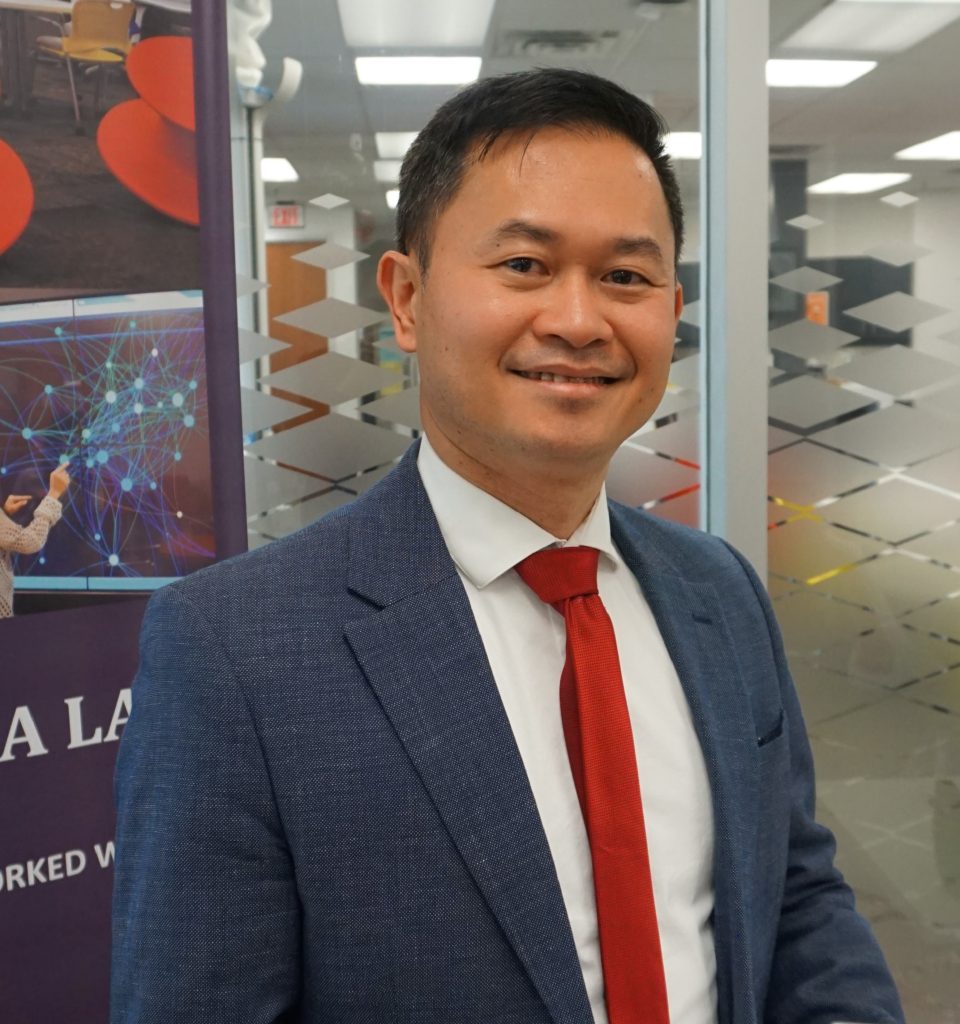
Recognizing the need for a serious scholarly forum, Dr. Anatoliy Gruzd and Philip Mai, co-founders of the Social Media Lab at Toronto Metropolitan University in Canada, created a space where researchers from different disciplines could examine these changes through peer-reviewed research, debate, and methodological innovation.
That vision became the International Conference on Social Media & Society, now widely known as #SMSociety.
From Modest Beginnings to Global Impact
The conference began in 2010 as the Information & Social Networks Symposium, a half-day academic gathering at Dalhousie University in Halifax, Canada. The event quickly gained momentum. By 2012, it had expanded into a two-day symposium on Measuring Influence on Social Media. In 2013, it evolved into the full International Conference on Social Media & Society.
Over the next decade and a half, the conference grew into one of the world’s leading interdisciplinary gatherings focused on the relationship between social media and society. Under the leadership of Gruzd and Mai (2010–2024), it expanded from a small meeting into a three-day international conference hosted in cities such as Toronto, London, and Copenhagen, with additional online editions. The program now includes workshops, expert panels, keynote talks, poster sessions, and networking opportunities. Visit our Publications page to explore the scholarly work our community has produced over the years.
An Interdisciplinary Home for Social Media Research
As the conference grew, its defining feature became its interdisciplinary character. From the outset, #SMSociety brought together researchers from a wide range of fields, including Communication and Media Studies, Information and Library Science, Sociology, Anthropology, Computer Science, Data Science, Political Science, Public Relations, Psychology, Journalism, Marketing, Education, and many more.
This diversity reflects the founders’ belief that social media cannot be understood from a single disciplinary perspective. The conference has become a space where qualitative ethnographers share ideas with computational social scientists, and where librarians, legal scholars, and data visualization experts examine issues such as privacy, misinformation, and online governance from different angles.
Evolving Themes for a Changing Digital World
The conference program has consistently tackled the most pressing questions about digital life. Each year’s theme reflects the evolving social, political, and cultural landscape shaped by social media platforms and their users. For instance, the 2012 program focused on Measuring Influence on Social Media. In 2017, the theme “Social Media for Social Good or Evil?” examined the dual nature of platforms as spaces for both activism and harm, as well as for truth and misinformation, in the aftermath of the 2016 U.S. election. By 2022, attention had shifted toward urgent issues such as platform governance, algorithmic accountability, online harassment, disinformation, and public health communication.
Influential Voices at #SMSociety
Over the years, the conference has hosted an impressive lineup of keynote speakers who have helped shape research on digital media and society. These include Lee Rainie, Ron Deibert, Caroline Haythornthwaite, Barry Wellman, William H. (Bill) Dutton, Valerie Steeves, Susan Halford, Tarleton Gillespie, Moya Bailey, and Ethan Zuckerman, among many others.
The conference has also benefited from the guidance of an accomplished advisory board and organizing committees over the years. Scholars such as Zizi Papacharissi and Caroline Haythornthwaite, along with many collaborators, authors, participants, and student volunteers, have contributed to building and sustaining the #SMSociety community.
From Founders to the Future: Carrying the #SMSociety Vision Forward
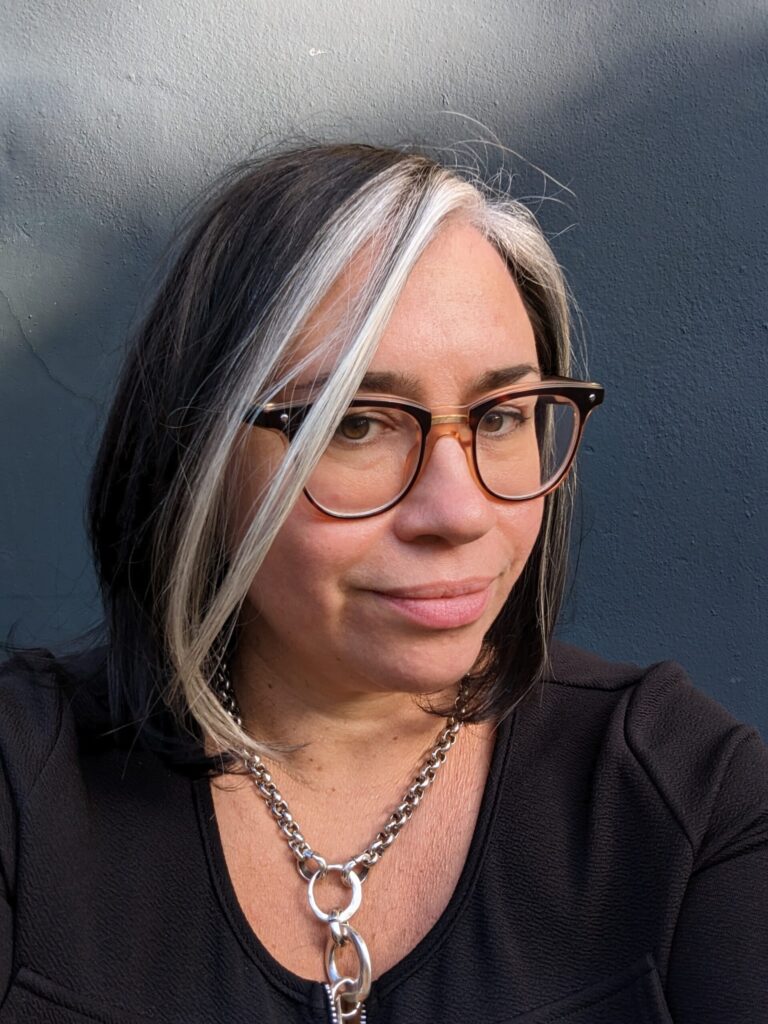
The continued success of the #SMSociety Conference reflects the long-term vision and leadership of its founders. Anatoliy Gruzd and Philip Mai created more than a conference. They built a global community of scholars and practitioners committed to understanding how social media shapes society.
Today, the conference continues under the executive leadership of Zoetanya Sujon at the University of the Arts London and Harry Dyer at the University of East Anglia. Working with co-chairs and collaborators from around the world, they carry forward the conference’s commitment to inclusivity, academic rigour, and real-world relevance.